Blog
Can Fascias and Soffits Be Cleaned Without Damage?
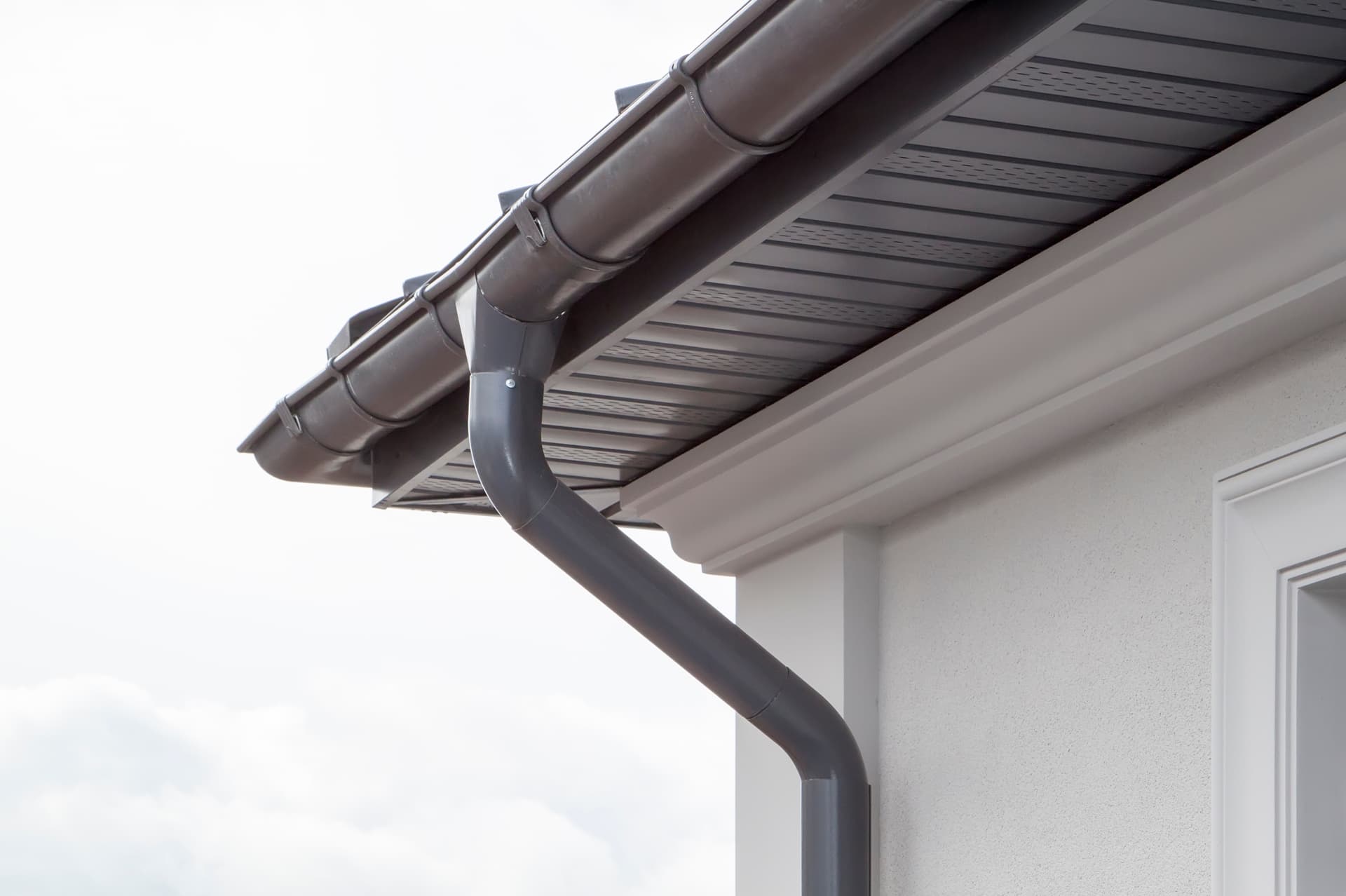
A clean roofline is only a good result if the surfaces are left in sound condition. Before arranging fascia and soffit cleaning, a few observations from the ground can help you spot whether the issue is surface dirt or whether the material may need extra care.
Start with a ground-level check
Look up from a safe position around the property. You do not need to climb a ladder, lean out of an upstairs window or reach over a conservatory roof. If you cannot see part of the roofline safely, leave that area for a professional to inspect.
Try to identify what the fascias and soffits are made from, but do not scrape or pick at the surface to find out. uPVC, painted timber and coated metal can look similar from a distance, and the correct cleaning approach depends partly on the material. If you have records from installation or previous work, those may help. If you are unsure, simply describe what you can see rather than guessing.
Notice whether the marks look like a layer of grime, or whether the surface itself appears changed. Dirt sitting on the surface is different from peeling paint, a chalky finish, blistering or areas where the coating has worn away. Cleaning may improve the appearance of soiling, but it cannot replace a damaged coating or repair a weakened fascia.
Look for signs that cleaning is not the only issue
Check for visible cracks, loose sections, sagging, open joints or exposed edges. Also look for water marks on nearby walls and any signs that the roofline is not sitting evenly. These are reasons to mention the condition before work is arranged. Applying water to an already loose or damaged section may not address the underlying problem, and cleaning alone will not secure or repair it.
Pay attention to the soffits as well as the fascia boards. Some soffits have ventilation openings. These need to remain clear, so avoid pushing tools, cloths or debris into them. If you can see an opening that appears blocked, mention it rather than trying to clear it from a ladder.
Why force is not a substitute for the right method
A common mistake is to assume that a stubborn mark needs more pressure or abrasive scrubbing. That can be unsuitable for a surface that is aged, coated or already damaged. Water directed close to joints, edges or openings can also get behind the surface. The risk depends on the construction and condition, which is why a roofline should not be treated as a flat, robust surface that can take the same approach everywhere.
Avoid testing a pressure washer on a small patch from a ladder. It combines two risks: working at height and applying a forceful stream to a surface whose condition you may not be able to judge. Household cleaners are not automatically suitable either. An incompatible product can affect a coating or leave residues, so do not assume that a stronger cleaner will produce a better finish.
What to tell the person carrying out the work
When you ask about cleaning, describe the material if you know it, where the heaviest marks are, and any cracks, loose areas or flaking you spotted. Mention previous painting or repairs if you are aware of them. These details help establish whether the visible problem is ordinary surface build-up or whether the condition of the roofline needs attention before cleaning.
If the surface is badly deteriorated, visibly loose or difficult to identify, do not treat cleaning as a repair. Get the condition assessed before proceeding. This distinction matters: cleaning is intended to deal with surface dirt, not to restore failed paint, reattach sections or stop water getting in.
For the service overview, see our Fascias & Soffits Cleaning page. If you are in Tyne and Wear and want the roofline cleaned, contact H2O Pressure Washing and describe what you have noticed. A clear view of the material and its condition is a useful starting point for discussing the work.
Other Articles